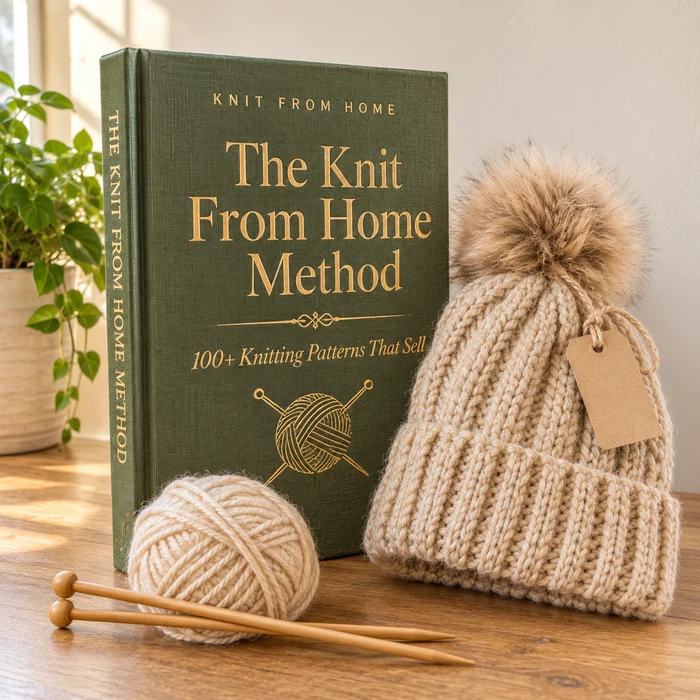
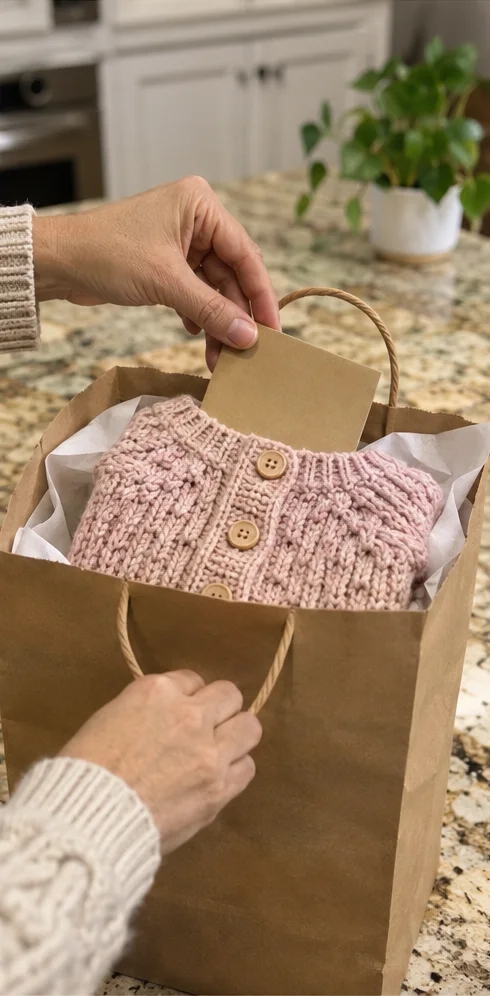
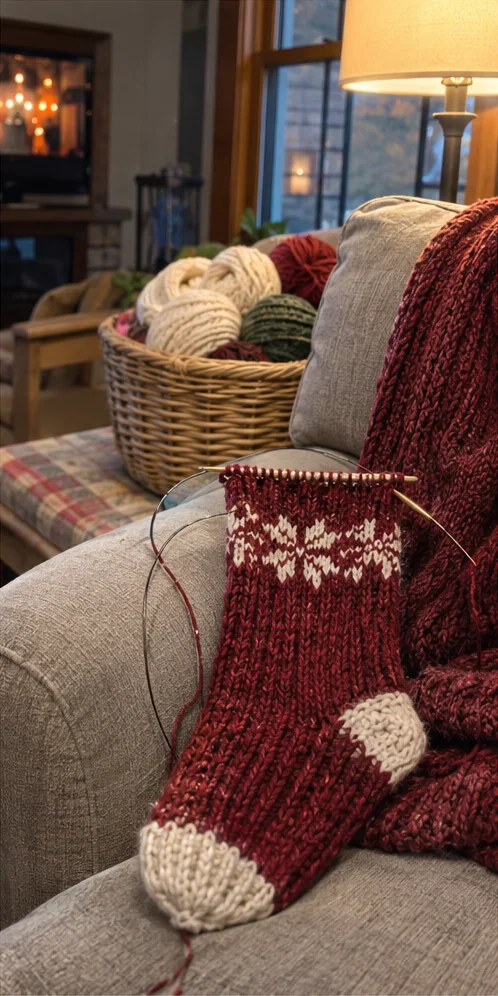
The step-by-step method: 100+ knitting patterns that sell, in plain English with photo steps, plus a pricing sheet and a selling plan, so you can knit your first pieces this week and turn them into extra income from neighbors, coworkers and the craft fair crowd.

“People are always telling me I should sell my stuff.”
“As long as my yarn is paid for, I’m happy.”
Store hats cost $10. A hand-knit hat is a gift, and people buy it like one. Knitters who sell report $25 to $60 for a hat and $45 to $60 for a scarf, most of it to people they already know, and most of it before Christmas. The yarn costs a few dollars. That's the gap you fill.
“Many people are looking for quality items as gifts for friends and family, and will overlook the under-$10 items.”
Knitter · on pricing for Christmas sales
Prices: what knitters report selling hats and scarves for on the KnittingHelp forum. Yarn: typical craft-store worsted and chunky yarn, November 2026.
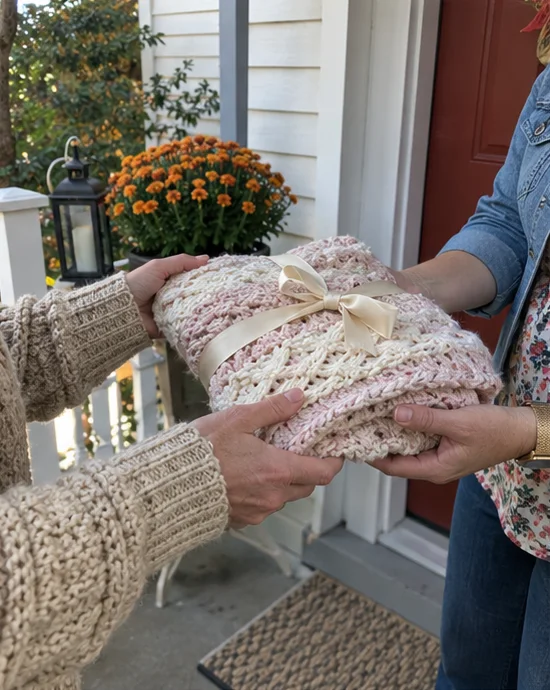
Every fall the same thing happens. People start asking for a hat for the grandkids, a stocking with a name on it, a baby blanket for the shower. They ask 4 to 6 weeks before, because they know knits take time. The women who get those orders post their first pieces before anyone asks.
Enough time to knit your first beanie this week, take one good photo and line up your first holiday orders before the rush, with gift season running all the way to December.
You already have the needles, the hands and the evenings. The Method turns them into extra income, one piece at a time.
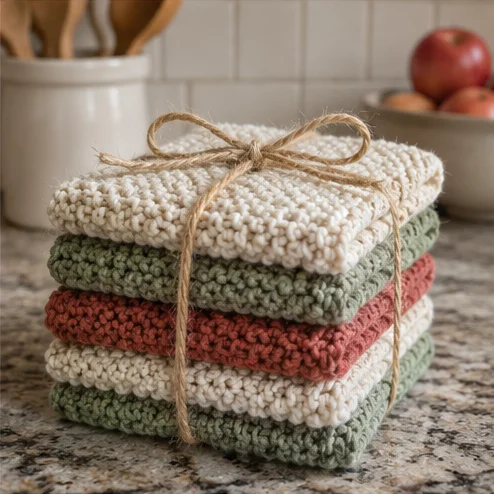
Not the 40-hour sweater nobody can afford. The beanies, baby sets, stockings and dishcloths that sell at every craft fair. Every pattern tells you what it sells for.
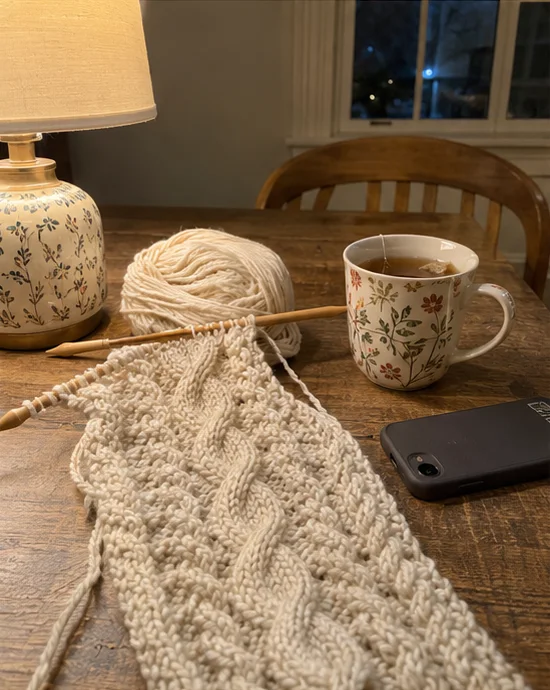
Most of the quick sellers take 1 to 3 hours. In front of the TV, after dinner, in the waiting room. You decide how many orders you take.
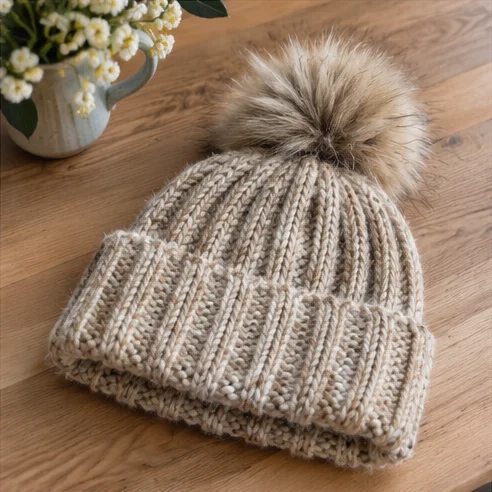
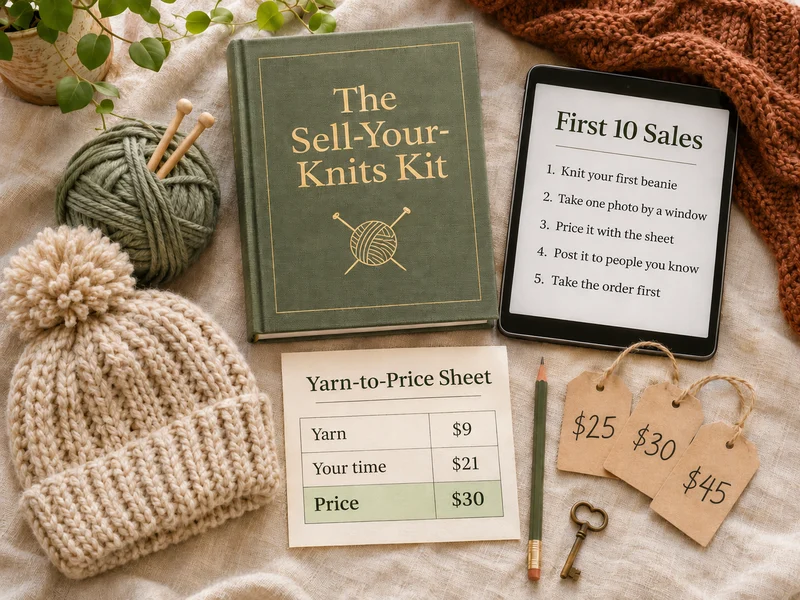
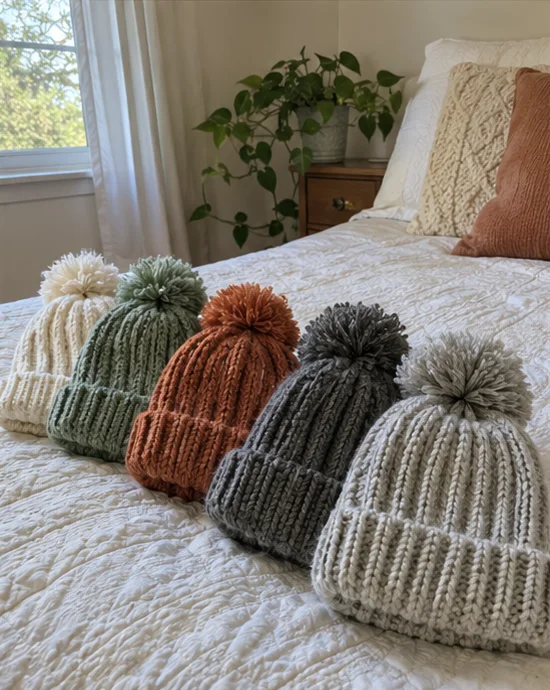
A chunky beanie takes about $8 to $10 of yarn and sells for $25 to $40. The pricing sheet shows you what to charge, so your time never goes for free.
$27 for the Method and about $10 of yarn for your first piece. After that, take the order first and buy the yarn after.
There's no off-season for babies, birthdays and cold heads. There's always someone who wants a gift that was made by hand, and doesn't have the time to make it herself. That's extra income in every season.
👶 Baby showers · 🎂 Birthdays · 🏡 Housewarmings · ⛪ Church bazaars · 🐶 Pet lovers · 💼 Coworkers · 👵 Grandparents · 🙏 Thank-yous · 🎓 Teachers
$8–30One evening each, and people buy them in twos and threes. You knit a few while you watch TV and take them to work or the market.
$45 and upBigger knits for big days. Higher price, and the customer tells you exactly the color she wants.
Everything you need to turn your first pieces into extra income.
Start-up cost: about $10 of yarn for your first piece.
Open the Method and knit your first piece. If it isn't for you, send one email within 7 days and we'll refund you in full. No forms, no hard feelings.
They were exactly where you are before the first piece.
Debbie ›
Karen ›
Lisa ›
Illustrative conversations based on what knitters share online. Individual results vary.
One evening. Learn the 9 stitches every pattern uses. Then start with the chunky beanie: it's the one people ask for most.
About $10 of yarn from the craft store. Follow the photo steps, try it on, and take one good photo by a window.
The pricing sheet gives you the price. Post with the template, first to people who already know you: neighbors, coworkers, church and family friends.
Get paid up front, buy the yarn with it, knit it and hand it over. Then post the next one.
That's it. One week. And just like that, your knitting is extra income.
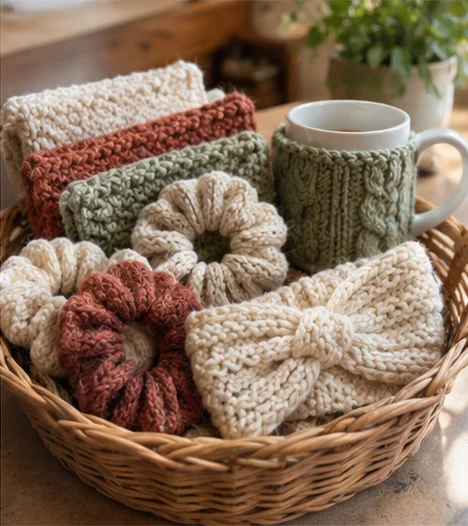
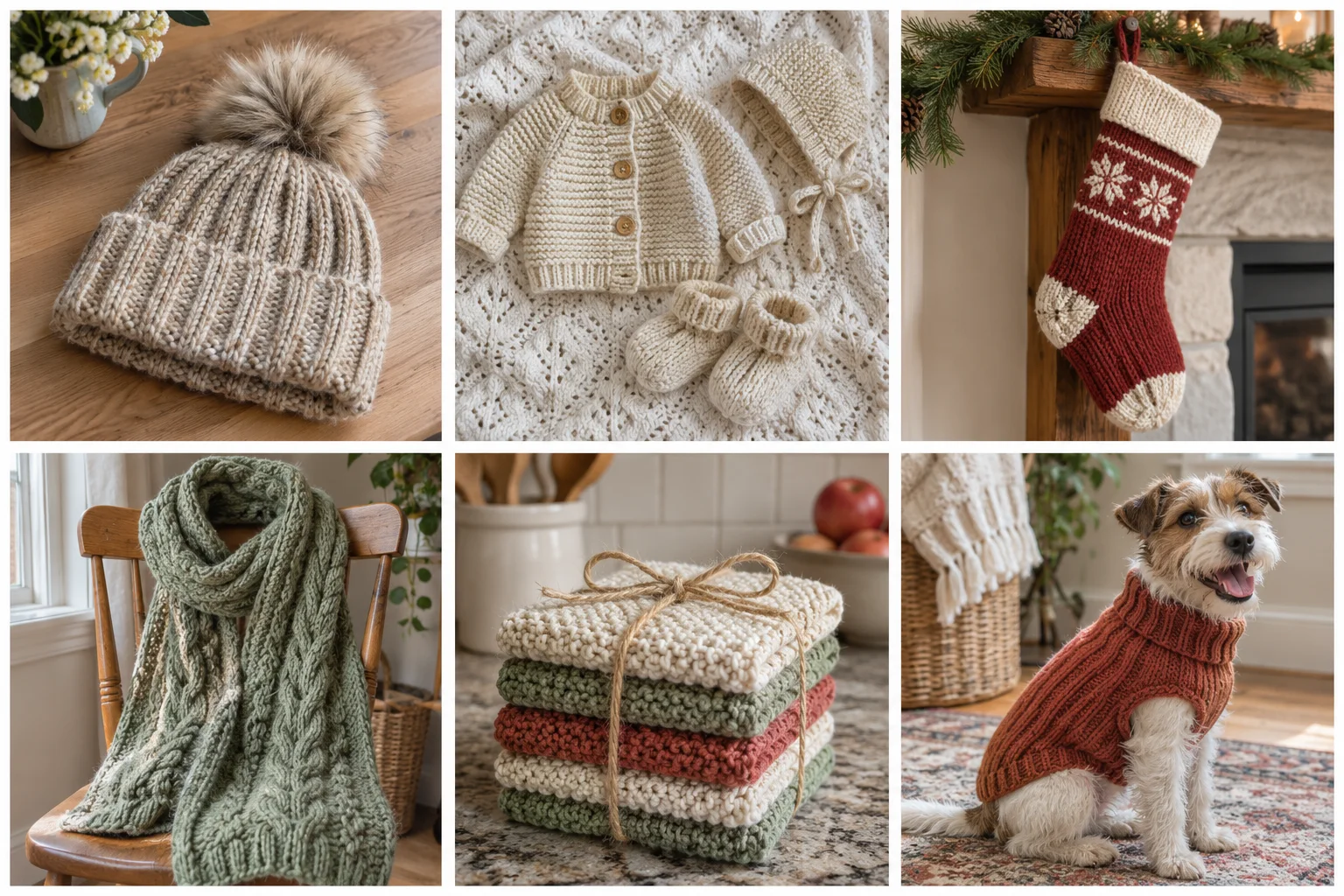
Every one of these is a pattern inside, with its yarn cost and its selling price.
Pom-pom beanie$30
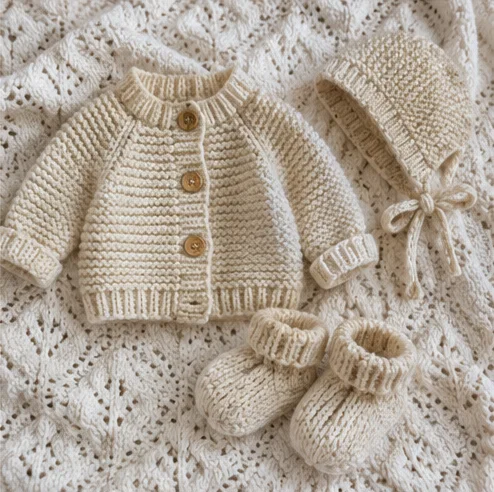
Baby set$45
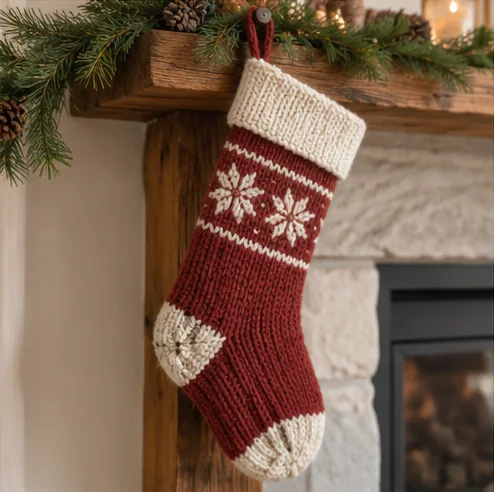
Name stocking$40
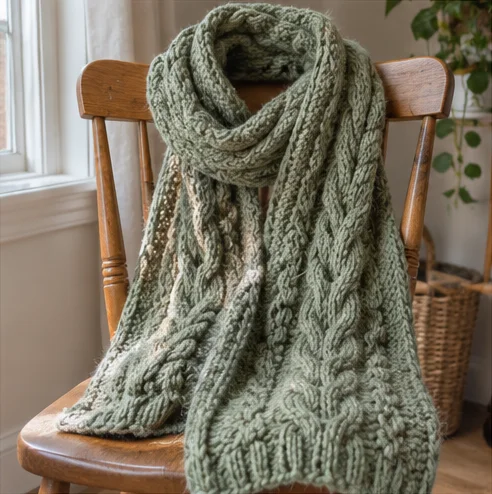
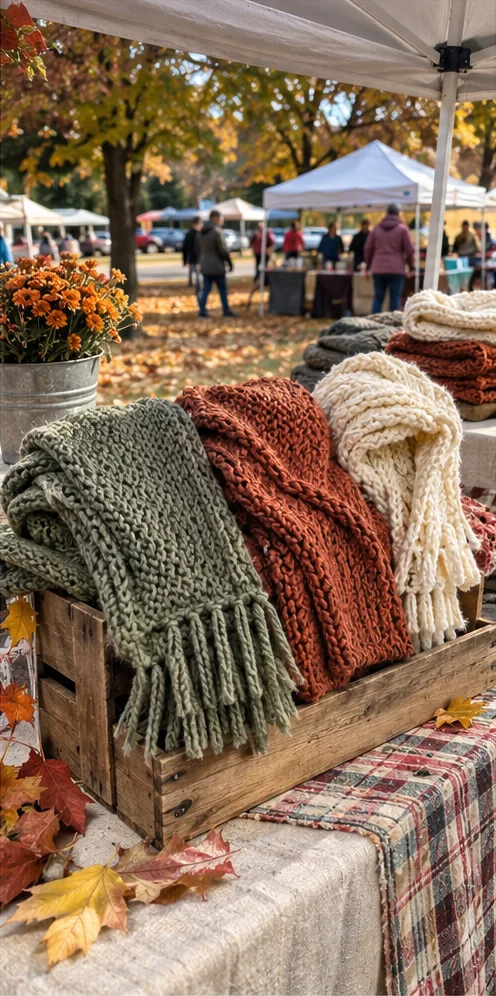
Cable scarf$45
Dishcloths3 × $8
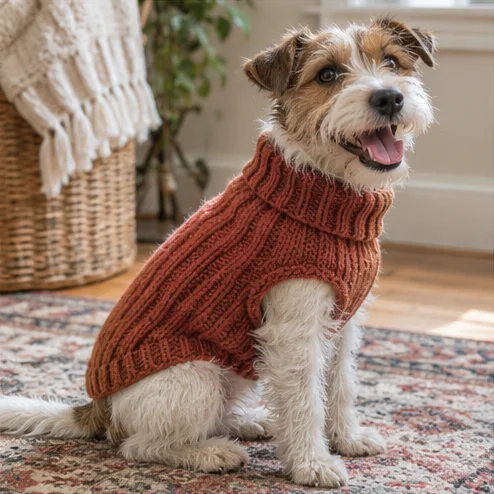
Dog sweater$35From the first stitch you knit to the first piece you sell.
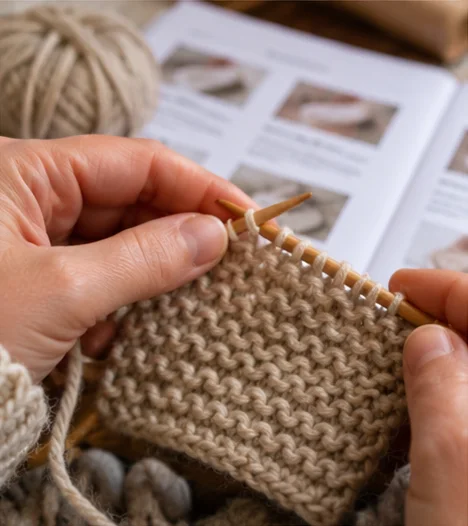
Most patterns read like code: "k2tog, ssk, pm, rep from * to end." That's why so many knitters give up on a pattern halfway. Here every step is written in plain words, with a photo next to it.

Organized by what people buy, not by stitch. Quick sellers for one evening, gift pieces, baby sets, home decor and pet sweaters. Every pattern shows the time it takes, the yarn it costs and what it sells for.

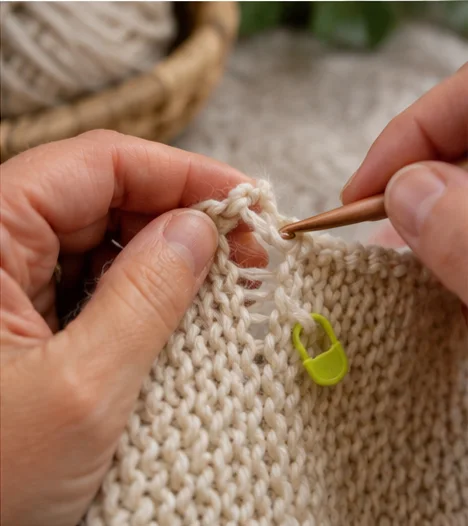
A dropped stitch, a hole, a row that got longer. Every knitter has ripped out hours of work over one. Here you fix each one in a few minutes, with a crochet hook and a photo that shows how.

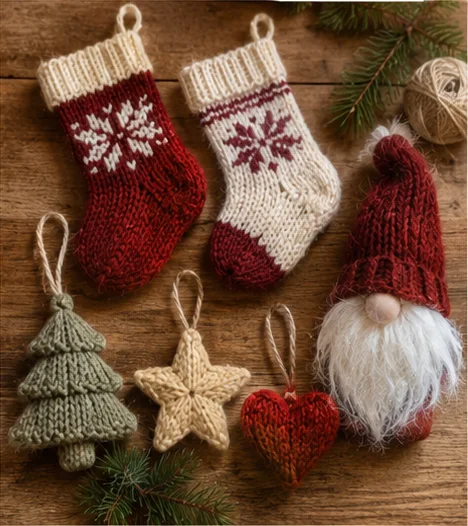
The pieces people order from October to December. Name stockings, knit ornaments, gnomes and matching family beanies. The season that pays the most gets its own module.

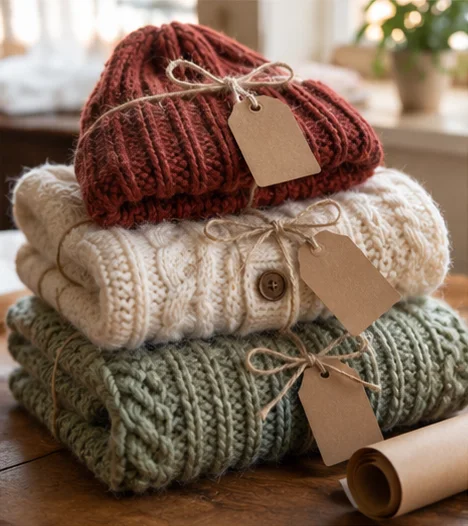
A hand-knit beanie with a printed tag and a care card sells for more than the same beanie in a plastic bag. Add your shop name, print, done.

What to post, what to say and what to charge to get your first orders from people who already know you: neighbors, coworkers, church friends and local groups.

What happens after the first piece.

“Since learning to make these dishcloths, I have made about 600 of them. I sell them at craft shows...”
Knitter · sells at craft shows
“I have done this pattern for years and cannot keep them in stock...All my friends and family love them.”
Knitter · on her dishcloth pattern
“...as long as I get money to pay for supplies, and maybe a little extra, I look at it as me getting paid to have fun.”
Knitter · on craft fairs
“I sold a toddler hat made of Debbie Bliss Merino for $25.”
Knitter · her toddler hat
“I had the thrill when I sold a watermelon hat for $60 two years ago.”
Knitter · Catskills, NY
“I sell on Etsy too and had a great Christmas season!”
Knitter · selling on Etsy
“...my friends and co-workers go crazy over my dishcloths and washcloths.”
Knitter · friends and coworkersReal words from knitters online, not from buyers of this method. Results vary.
No. This is a digital method: you get instant access to every pattern, guide and printable the moment you pay. Nothing is shipped, so there's no waiting and no shipping cost.
Yes. Module 1 starts from the 9 stitches every pattern uses, in plain words with photos. Start with the quick sellers: a dishcloth or a chunky beanie is a great first piece, and both sell.
Yes. The patterns are picked for what sells, and each one tells you the time, the yarn cost and the price. Most experienced knitters buy it for the selling part: the pricing sheet, the gift-season pack and the 30-day plan.
Think of it as extra income, not a salary. It depends on your hours. If you keep about $20 a piece, 3 pieces a week works out to about $3,000 a year, and gift season runs higher. Results are not guaranteed and depend on your effort, prices and area.
People who want a gift that was made by hand and don't knit: grandparents, new aunts, coworkers, church friends. Hand-knit beanies at craft fairs and on Etsy commonly sell for $25 to $40, and baby sets for more.
You start with people who already know you: neighbors, coworkers, church and family friends. Almost everyone needs a gift for someone. The kit gives you the exact posts and messages. And you buy the yarn only after someone orders, so nothing goes to waste.
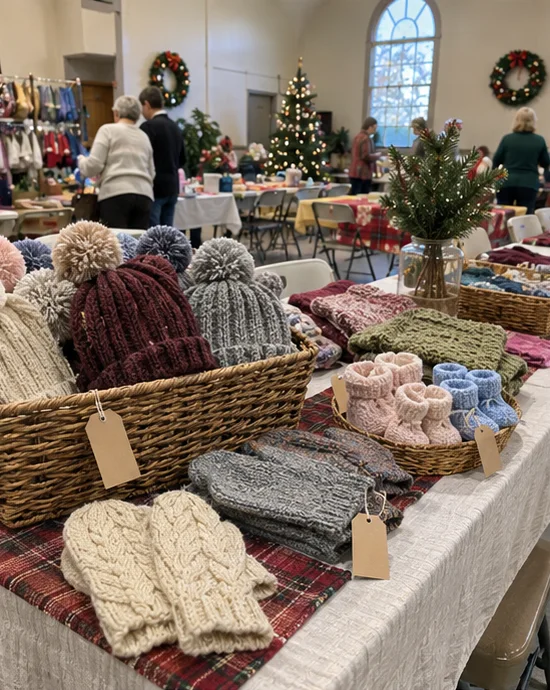
Neighbors and word of mouth, local Facebook groups, Facebook Marketplace, church bazaars, craft fairs and Etsy. The Sell-Your-Knits Kit shows you where to start in the first 30 days.
Yes. Every step is written in plain words with a photo, and US terms only. If a pattern online confuses you, the abbreviation decoder in Module 1 translates it.
You can, and you probably have a folder full of them. Free patterns are scattered, written in abbreviations, often untested, and they never tell you if a piece is worth selling or what to charge. The Method gives you 100+ tested patterns in one place, in plain English, each with its time, yarn cost and selling price, and you're allowed to sell everything you knit from them.
Yes. Everything you knit from the Method is yours to sell, at craft fairs, online or to anyone you like. Only the patterns themselves can't be shared or resold.
No. Worsted and chunky yarn from any craft store, and a few needle sizes you probably already have. Every pattern lists exactly what to buy and what it costs.
The pattern photos show real knitted pieces, so what you see is what you can knit. If a piece can't be knit from the pattern, it isn't in the Method.
The quick sellers take 1 to 3 hours each, and most women knit in the evening in front of the TV. You decide how many orders you take.
MLMs make you buy stock and recruit your friends. This is the opposite: no stock, no recruiting, and you knit something people already want to give as a gift.
No. You can sell as many knitted pieces as you want, but the patterns and printables are for you. Sharing or reselling them isn't allowed.
Yes. Checkout is secure, everything arrives in your email the moment you pay, and you're covered for 7 days.
Your purchase is covered for 7 days. Open the Method, knit a piece, and if it isn't for you, send us one email and we'll refund you in full.